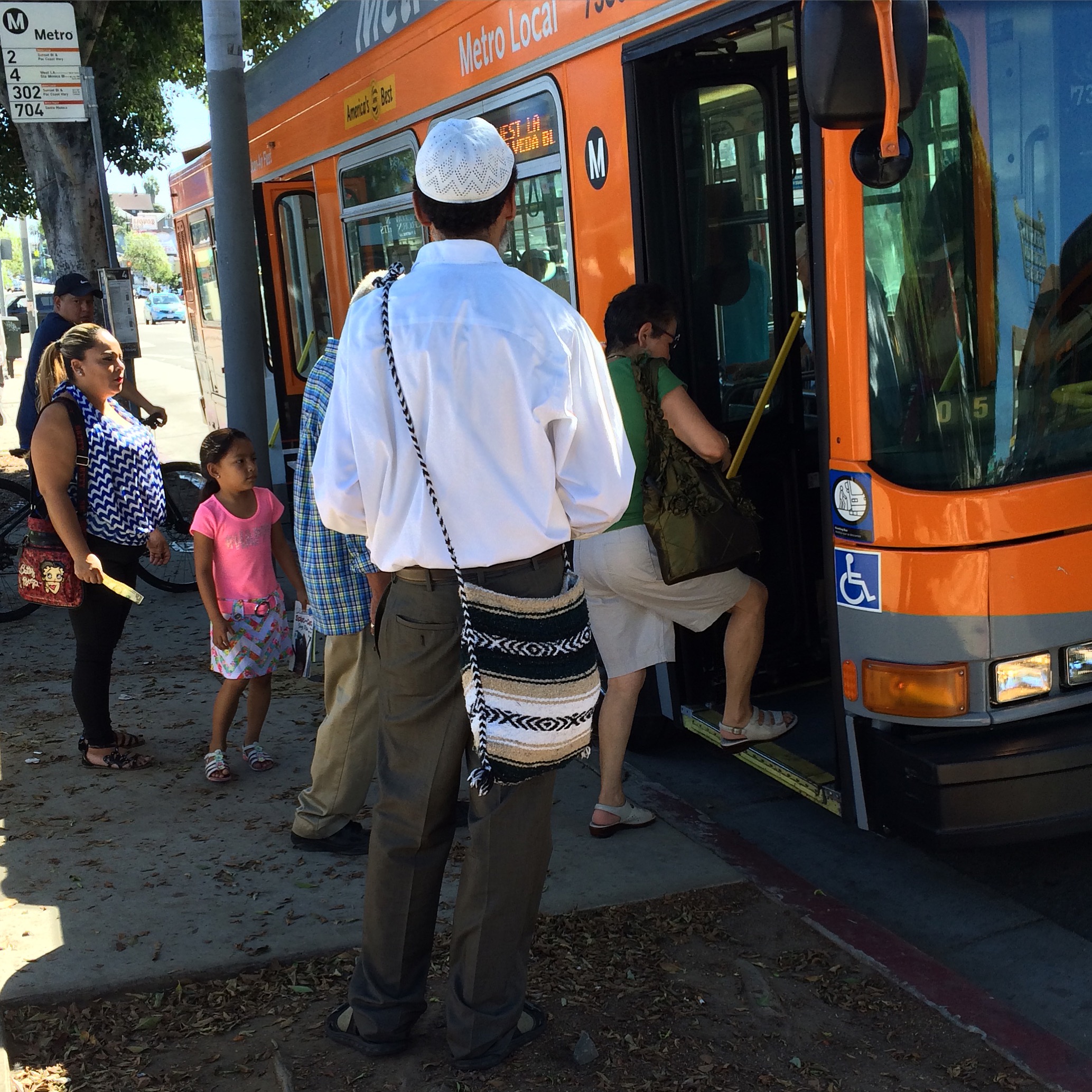
Metro is developing a new Long Range Transportation Plan (LRTP). Under the existing 2009 plan, Metro set a goal of increasing the farebox recovery ratio of its bus and rail system from 29 percent to 33 percent. Farebox recovery measures the percentage of operating costs covered by passenger fares.
At first glance, this may seem like a reasonable goal. But under current conditions, increasing farebox recovery likely means raising fares. A better goal for Metro would be maximizing ridership.
Looking Beyond the Farebox
The idea behind farebox recovery is straightforward: public agencies should generate enough revenue to cover their costs. In theory, a transit system that pays for itself appears more financially sustainable.
But transportation does not work that way.
Transit is heavily subsidized, but so is every other mode of transportation. Freeways are free to use but expensive to build and maintain. Parking is often provided at little or no direct cost to drivers, while its true cost is embedded in development and passed on through higher rents, prices, and taxes.
The question is not whether transportation is subsidized. The question is how we choose to invest public resources.
Transit Riders Pay Twice
Transit riders contribute to the transportation system in two ways.
First, they pay fares when they ride the bus or train.
Second, they help fund transportation through sales taxes. Los Angeles County voters approved Proposition A, Proposition C, and Measure R to support transportation investments throughout the region. Transit riders pay those taxes just like everyone else.
Meanwhile, drivers are generally not charged for using freeways, despite the substantial public investment required to build and maintain them.
Transit also benefits drivers. Every trip taken by bus or rail is one fewer car on the road. If the more than one million daily transit trips in Los Angeles County were instead made by automobile, congestion would be significantly worse.
Higher Fares, Lower Ridership
If Metro focuses too heavily on farebox recovery, the likely outcome is higher fares and fewer riders.
When prices increase, demand generally falls. This is especially true when driving remains relatively inexpensive and convenient.
Los Angeles has already seen signs of this dynamic. Following fare increases in 2014, bus and rail ridership declined. Higher fares may generate additional revenue in the short term, but sustained ridership losses create long-term challenges for the system.
A strategy that relies on continually raising fares risks creating a cycle of declining ridership and declining public support.
A Better Goal: Maximize Ridership
Instead of focusing on farebox recovery, Metro should focus on attracting and retaining riders.
That means investing in the things that make transit useful:
- Frequent and reliable service
- Walkable access to stations and bus stops
- Safe and convenient first/last-mile connections
- Transit-supportive land use and development
- Better access to jobs, schools, and services
Metro’s First/Last Mile Strategic Plan offers a strong framework for many of these improvements.
The ultimate measure of success should not be how much of Metro’s budget is covered by fares. It should be whether people choose to ride.
As Los Angeles considers investing tens of billions of dollars in transportation infrastructure over the coming decades, maximizing ridership will deliver the greatest return on that investment. A transportation system succeeds when it moves people efficiently, expands opportunity, and provides a viable alternative to driving.
That should be the goal.