The City of Los Angeles is developing a new bus shelter program as its long-standing street furniture contract comes to an end.
New shelter designs are important. But before discussing what shelters should look like, Los Angeles should answer several more fundamental questions.
How many bus stops need shelters?
What will the program cost?
Where will funding come from?
How quickly can shelters be installed?
Will sidewalk repairs and accessibility improvements be included?
How will bus stop investments be coordinated with shade, trees, and other public realm improvements?
These questions matter because bus shelters are not simply pieces of street furniture. They are part of a larger transportation and accessibility system.
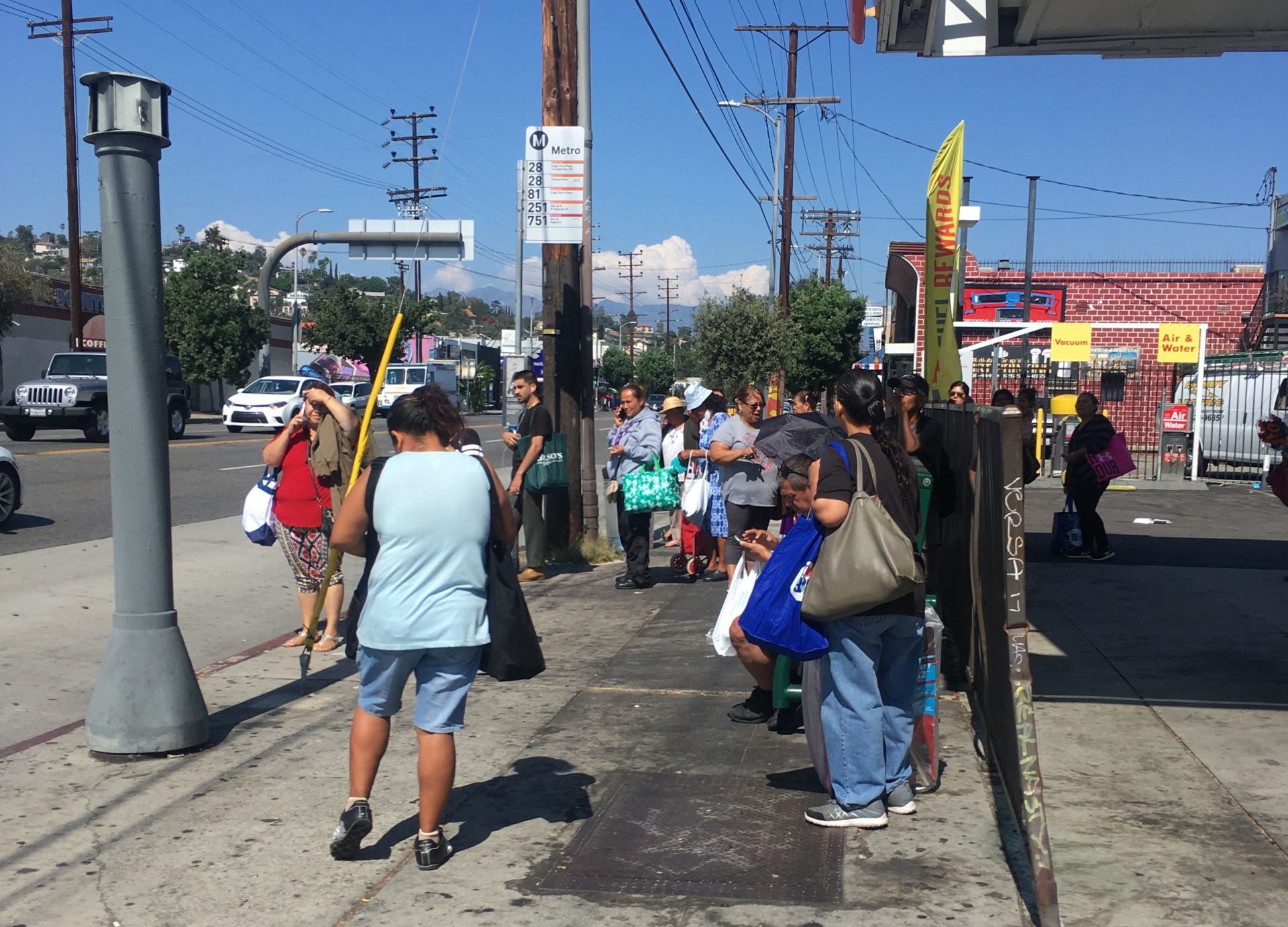
For decades, bus shelter investments in Los Angeles have largely been driven by advertising revenue rather than rider needs. The result is a system where some of the busiest transit stops lack basic amenities such as shade, seating, and accessible boarding areas.
At the same time, the City still lacks a comprehensive inventory of sidewalk conditions and bus stop accessibility, making it difficult to understand the true scope of the challenge.
As Los Angeles develops its next generation of bus shelters, the conversation should extend beyond design.
The City needs a clear funding strategy, an implementation plan, and a commitment to improving the sidewalks, access ramps, trees, and public spaces that support transit riders every day.
Bus riders deserve more than a shelter design competition.
They deserve a program that delivers results.