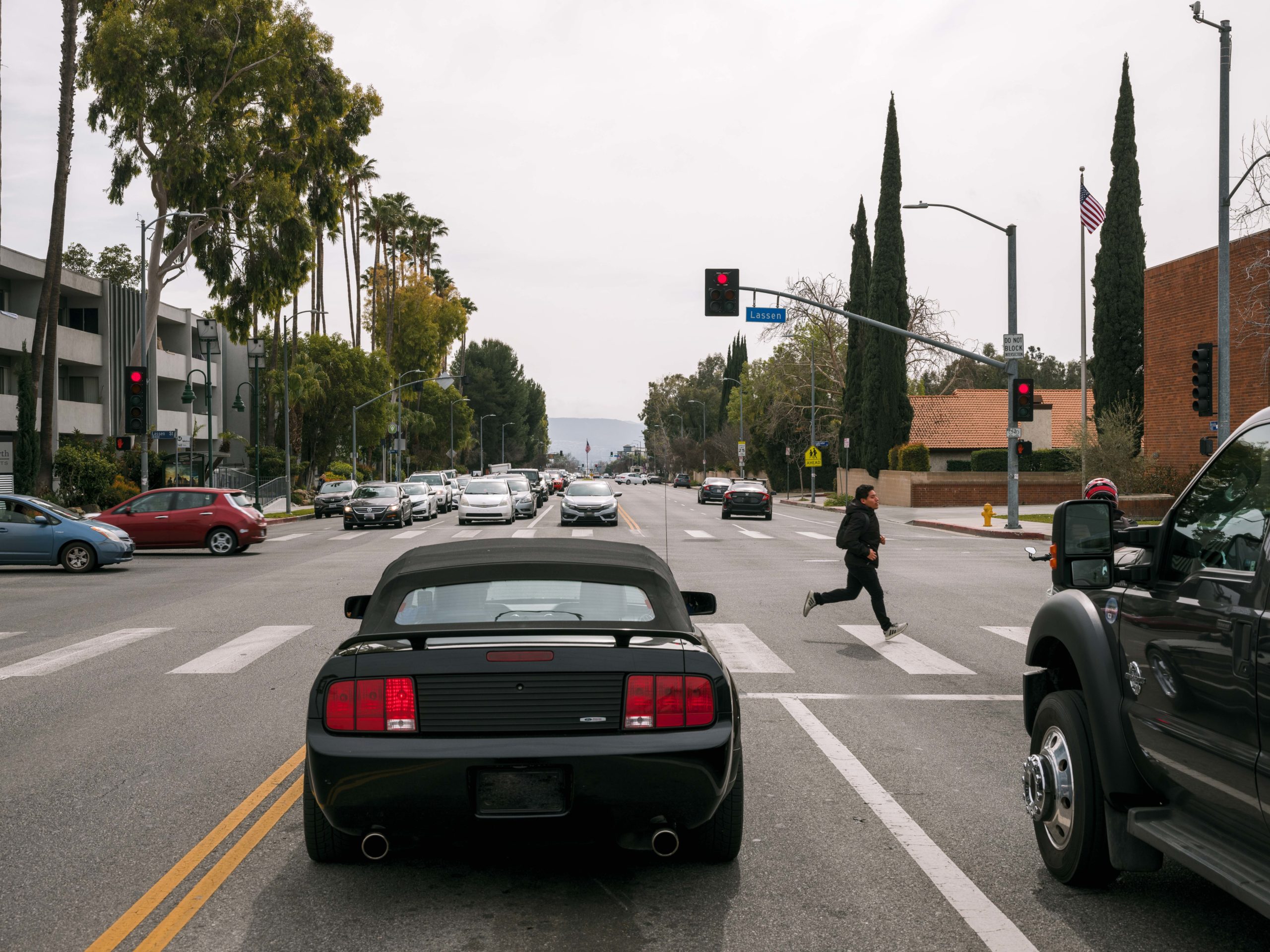
For years, Investing in Place has worked to understand how Los Angeles funds, manages, and delivers improvements to its sidewalks, streets, transit access, trees, lighting, and other public infrastructure.
What we discovered was surprisingly simple:
No one can easily see the full picture.
Los Angeles invests hundreds of millions of dollars each year in the public right-of-way through a combination of transportation sales taxes, gas taxes, special assessments, local revenues, state funding, federal grants, and other sources. Yet those investments are managed across numerous departments, bureaus, agencies, and special funds.
As a result, it is difficult for policymakers, city staff, and the public to answer basic questions:
- How much funding is available for public infrastructure?
- What projects are being funded?
- What outcomes are those investments intended to achieve?
- How do different funding sources work together?
- Are investments aligned with city priorities?
- Are we making progress?
The Challenge
Los Angeles organizes its budget primarily by department and funding source.
Transportation, Public Works, accessibility improvements, street lighting, urban forestry, transit access, and other infrastructure programs are often planned, budgeted, and reported separately.
This structure makes it difficult to understand how investments work together to improve the public realm.
It also limits the City’s ability to evaluate performance across systems.
For example, a budget may identify how much funding is allocated to a department or program, but it is often much harder to determine:
- What infrastructure outcomes were achieved.
- Whether investments met identified needs.
- How projects were prioritized.
- Whether spending aligns with long-term goals.
The Missing Piece
Most major cities use a Capital Infrastructure Program (CIP) to connect projects, funding, priorities, schedules, and outcomes.
A CIP helps decision-makers understand not only how much money is available, but how investments contribute to broader community goals.
It creates a framework for answering questions such as:
- What infrastructure do we own?
- What condition is it in?
- What investments are needed?
- How should limited resources be prioritized?
- What progress are we making over time?
Without that framework, infrastructure decisions often occur one project, one department, and one budget cycle at a time.
What Better Looks Like
A stronger approach would include:
A Comprehensive Asset Inventory
The City should maintain a clear understanding of the infrastructure it owns and is responsible for maintaining.
Transparent Infrastructure Funding
Funding sources should be easier for policymakers and the public to understand, track, and evaluate.
Multi-Year Capital Planning
Infrastructure investments should be planned over multiple years rather than through annual budgeting alone.
Performance Reporting
The City should regularly evaluate not only how much money was spent, but what outcomes were achieved.
Shared Priorities
Infrastructure decisions should be guided by a clear vision, measurable goals, and transparent prioritization criteria.
Why This Matters
The condition of Los Angeles’ sidewalks, streets, trees, lighting, transit access, and public spaces is not simply a maintenance issue.
It is also a budgeting and governance issue.
If Los Angeles wants to improve the public realm, it needs systems that allow decision-makers and residents to understand where money is going, what it is accomplishing, and how investments contribute to a shared vision for the future.
Before we can improve the system, we need to understand it.
And to understand it, we have to follow the money.