The Hard Part: Implementation

If you read the Los Angeles Times’ recent editorial, “Is LA Getting Serious About Safer Streets?”, you probably left with more questions than answers.

That’s because Los Angeles’ public works and transportation systems are complex, fragmented, and often difficult to understand, even for people who spend their careers working on them.

Two efforts are currently moving forward:

  • A grassroots-led ballot measure that would require implementation of portions of Mobility Plan 2035 when major street improvements occur.
  • A City Council motion intended to advance many of the same goals through a broader policy framework.

Both efforts reflect a growing recognition that Los Angeles needs safer streets and a better system for delivering public infrastructure.

At Investing in Place, we’re particularly interested in what sits beneath both proposals: how Los Angeles plans, prioritizes, funds, and coordinates investments in the public right-of-way.

The Ballot Measure

The proposed ballot measure would require the City to implement elements of Mobility Plan 2035—including portions of the Bicycle Enhanced Network, Transit Priority Corridors, and Pedestrian Districts—when major street work occurs.

The Mobility Plan provides an important vision for the future of Los Angeles. However, many of its networks remain conceptual and do not include project-level designs, implementation plans, funding strategies, or prioritization frameworks.

The Council Motion

The City Council motion takes a broader approach.

In addition to implementing Mobility Plan priorities, it calls for greater coordination across departments and consideration of improvements such as sidewalks, bus shelters, crosswalks, accessibility upgrades, and stormwater infrastructure.

The motion recognizes that the public right-of-way serves many purposes and that improving streets requires coordination across multiple agencies and programs.

Why This Matters

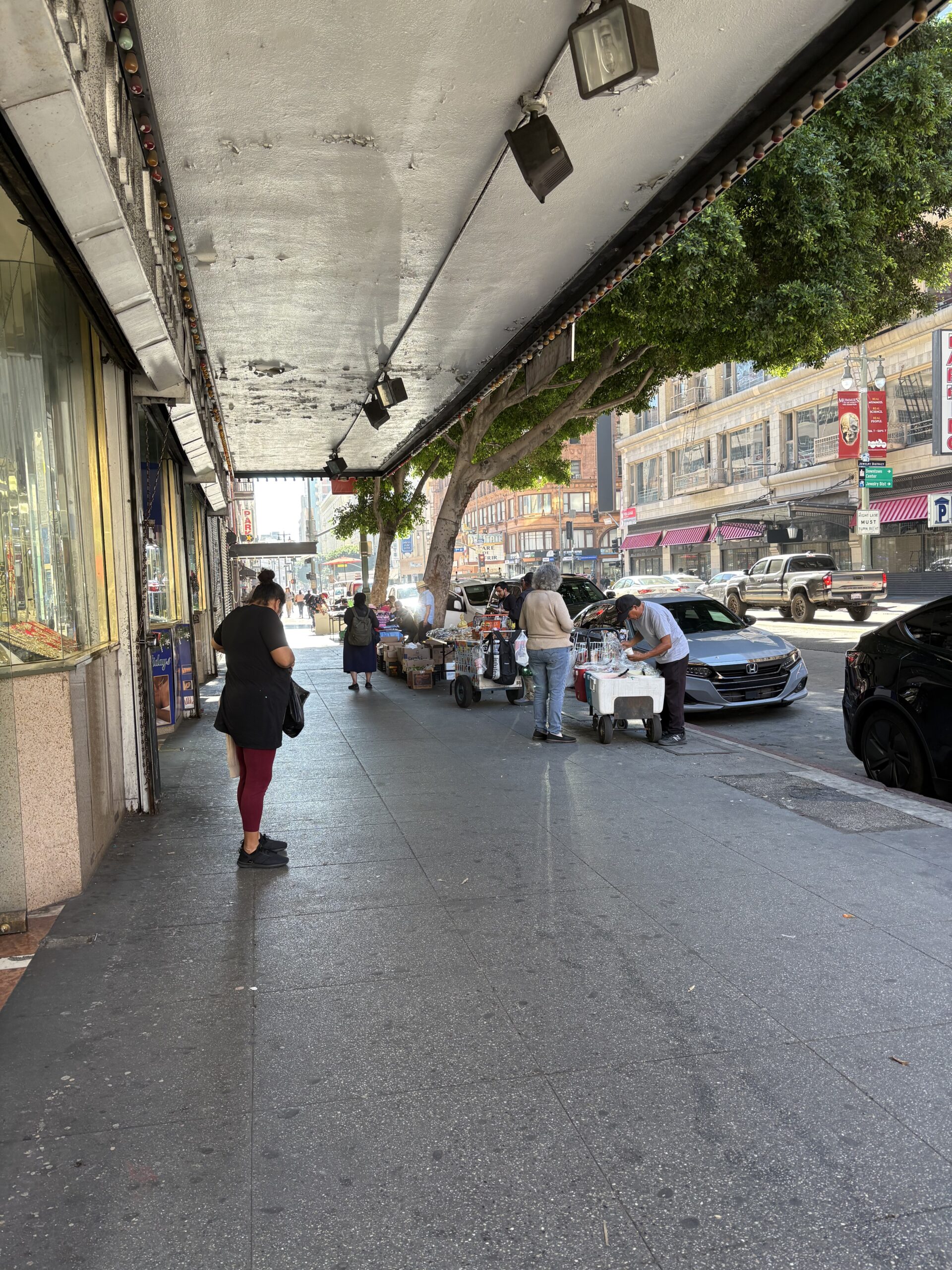
The public right-of-way is more than pavement.

It includes sidewalks, access ramps, street trees, bus stops, lighting, stormwater infrastructure, and the many elements that make streets safe, accessible, and welcoming.

Improving one part of the system without considering the others can limit the benefits communities receive.

That is why Investing in Place continues to advocate for a comprehensive Capital Infrastructure Plan (CIP).

A CIP would help Los Angeles:

  • Coordinate investments across departments.
  • Align projects with long-term goals.
  • Establish clear priorities and tradeoffs.
  • Improve transparency and public accountability.
  • Better connect infrastructure spending to community outcomes.

Questions We’re Watching

As these discussions move forward, several questions remain:

  1. What is Los Angeles’ long-term vision for its public right-of-way?
  2. How can the City improve coordination among the many departments and agencies responsible for streets, sidewalks, transportation, and public works?
  3. How are infrastructure priorities established and communicated to the public?
  4. How can community engagement be meaningful and inclusive?
  5. How will equity guide future infrastructure investments?

These are not just transportation questions.

They are questions about how Los Angeles governs, funds, and manages public infrastructure.

The decisions made today will shape the City’s streets, sidewalks, and public spaces for years to come.

Investing in Place will continue to follow these discussions closely and advocate for a more coordinated, transparent, and equitable approach to infrastructure investment.


New Title

New Name

New Bio

Estolano Advisors

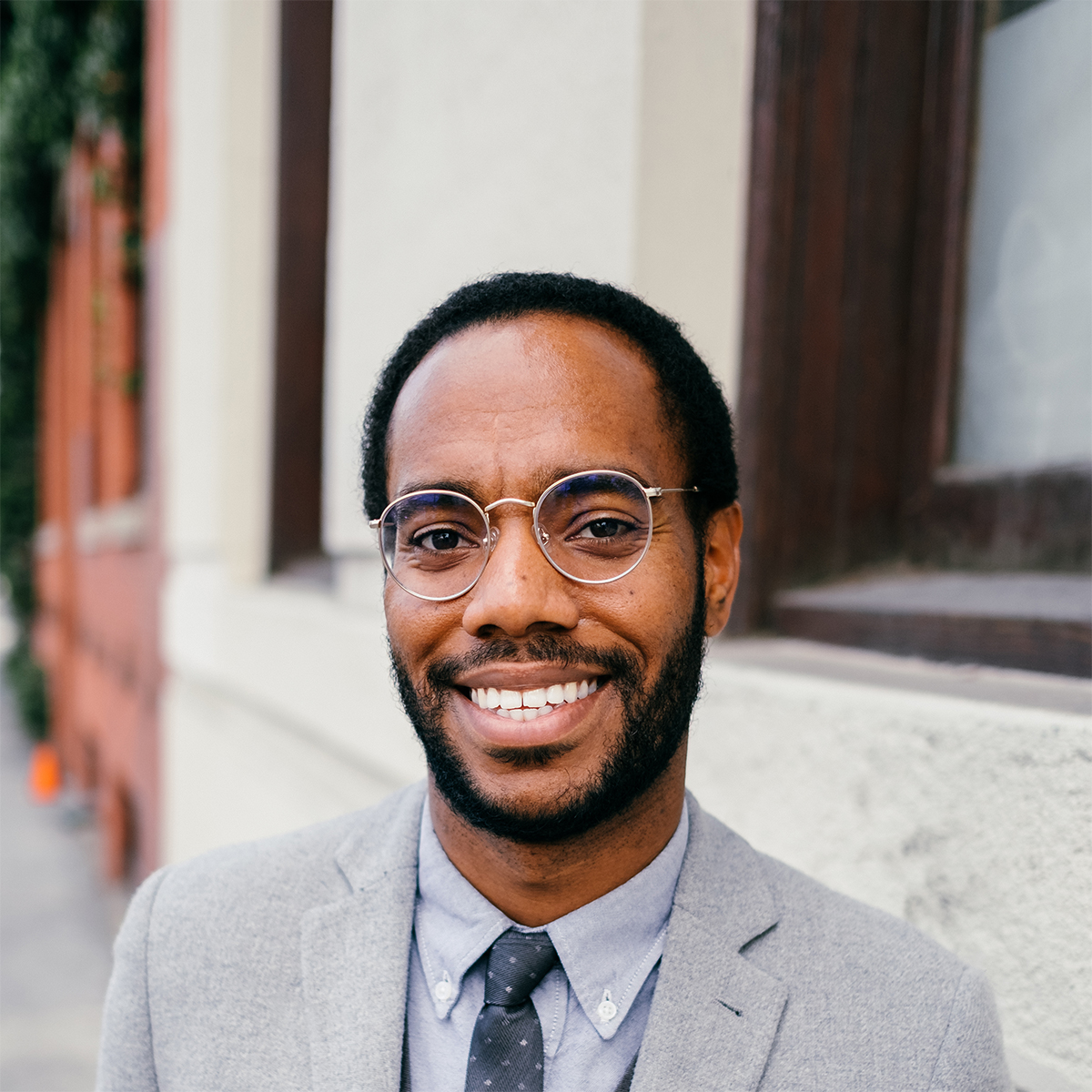
Richard France

Richard France assists clients with strategic planning, visioning, and community and economic development. He is a strategic planner at Estolano Advisors, where he has been involved in a variety of active transportation, transit-oriented development, climate change resiliency, and equitable economic development projects. His work in active transportation includes coordinating a study to improve bike and pedestrian access to transit oriented districts for the County of Los Angeles, and working with the Southern California Association of Governments to host tactical urbanism events throughout the region. Richard also serves as a technical assistance provider for a number of California Climate Investment programs, including the Affordable Housing Sustainable Communities, Transformative Climate Communities, and Low Carbon Transit Operations programs. He has also taught at the UCLA Luskin School of Public Affairs. Richard received a Bachelor of Environmental Design from the University of Colorado at Boulder, and his M.A. in Urban Planning from UCLA.

Accelerator for America, Milken Institute

Matt Horton

Matt Horton is the director of state policy and initiatives for Accelerator for America. He collaborates with government officials, impact investors, and community leaders to shape infrastructure, job creation, and equitable community development efforts. With over fifteen years of experience, Matt has directed research-driven programs and initiatives focusing on housing production, infrastructure finance, access to capital, job creation, and economic development strategies. Previously, he served as the director of the California Center at the Milken Institute, where he produced research and events to support innovative economic policy solutions. Matt also has experience at the Southern California Association of Governments (SCAG), where he coordinated regional policy development and planning efforts. He holds an MA in political science from California State University, Fullerton, and a BA in history from Azusa Pacific University. Additionally, Matt serves as a Senior Advisor for the Milken Institute and is involved in various advisory boards, including Lift to Rise and WorkingNation.

UCLA Lewis Center for Regional Policy Studies

Madeline Brozen

Madeline is the Deputy Director of the UCLA Lewis Center for Regional Policy Studies at the Luskin School of Public Affairs. She oversees and supports students, staff, and faculty who work on planning and policy issues about how people live, move, and work in the Southern California region. When not supporting the work of the Lewis Center community, Madeline is doing research on the transportation patterns and travel needs of vulnerable populations in LA. Her recent work includes studies of low-income older adults in Westlake, public transit safety among university students, and uncovering the transportation needs of women, and girls in partnership with Los Angeles public agencies. Outside of UCLA, Madeline serves as the vice-chair of the Metro Westside Service Council and enjoys spending time seeing Los Angeles on the bus, on foot, and by bike.

Office of Los Angeles Mayor Karen Bass

Luis Gutierrez

Luis Gutierrez, works in the Office of Los Angeles Mayor Karen Bass, as the Director of Energy & Water in the Office of Energy and Sustainability (MOES), Luis oversees issues related to LA’s transition to clean energy, water infrastructure, and serves as the primary liaison between the Mayor’s Office and the Department of Water and Power. Prior to joining MOES, Luis managed regulatory policy proceedings for Southern California Edison (SCE), focusing on issues related to equity and justice. Before joining SCE, Luis served as the Director of Policy and Research for Inclusive Action for the City, a community development organization dedicated to economic justice in Los Angeles. Luis holds a BA in Sociology and Spanish Literature from Wesleyan University, and a Master’s Degree in Public Administration from Cal State LA.

Communications Strategist

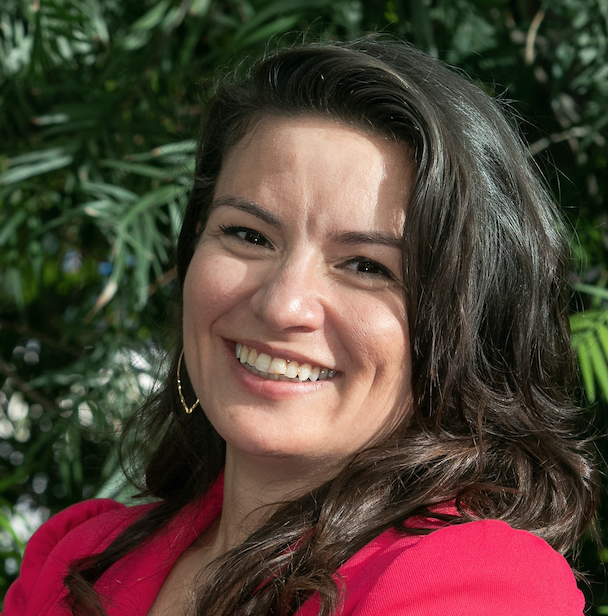
Kim Perez

Kim is a writer, researcher and communications strategist, focused on sustainability, urban resilience and safe streets. Her specialty is taking something complex and making it clear and compelling. Harvard-trained in sustainability, she won a prize for her original research related to urban resilience in heat waves—in which she proposed a method to help cities identify where pedestrians spend a dangerous amount of time in direct sun, so they can plan for more equitable access to shade across a city.

EXECUTIVE DIRECTOR

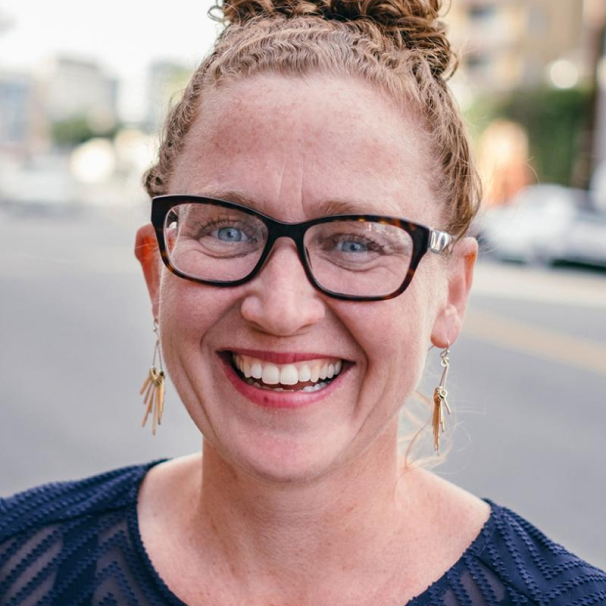
Jessica Meaney

Jessica Meaney is the founder and executive director of Investing in Place.


She has spent more than two decades working across philanthropy, government, and nonprofit organizations in Los Angeles, focused on how cities care for public space. Jessica holds a BA from Prescott College and a master’s degree in urban sociology from California State University, Los Angeles.


Her background in urban sociology shapes how she understands infrastructure, not simply as physical assets, but as reflections of how cities allocate resources, set priorities, and shape daily life. She examines sidewalks, streets, and parks as interconnected civic systems influenced by governance, finance, and institutional design.


At Investing in Place, Jessica leads research, convenings, and long-term analysis of how Los Angeles manages its public realm. Her work increasingly explores how cities structure and sustain public space systems over time, contributing to broader conversations about public governance and the social life of infrastructure.