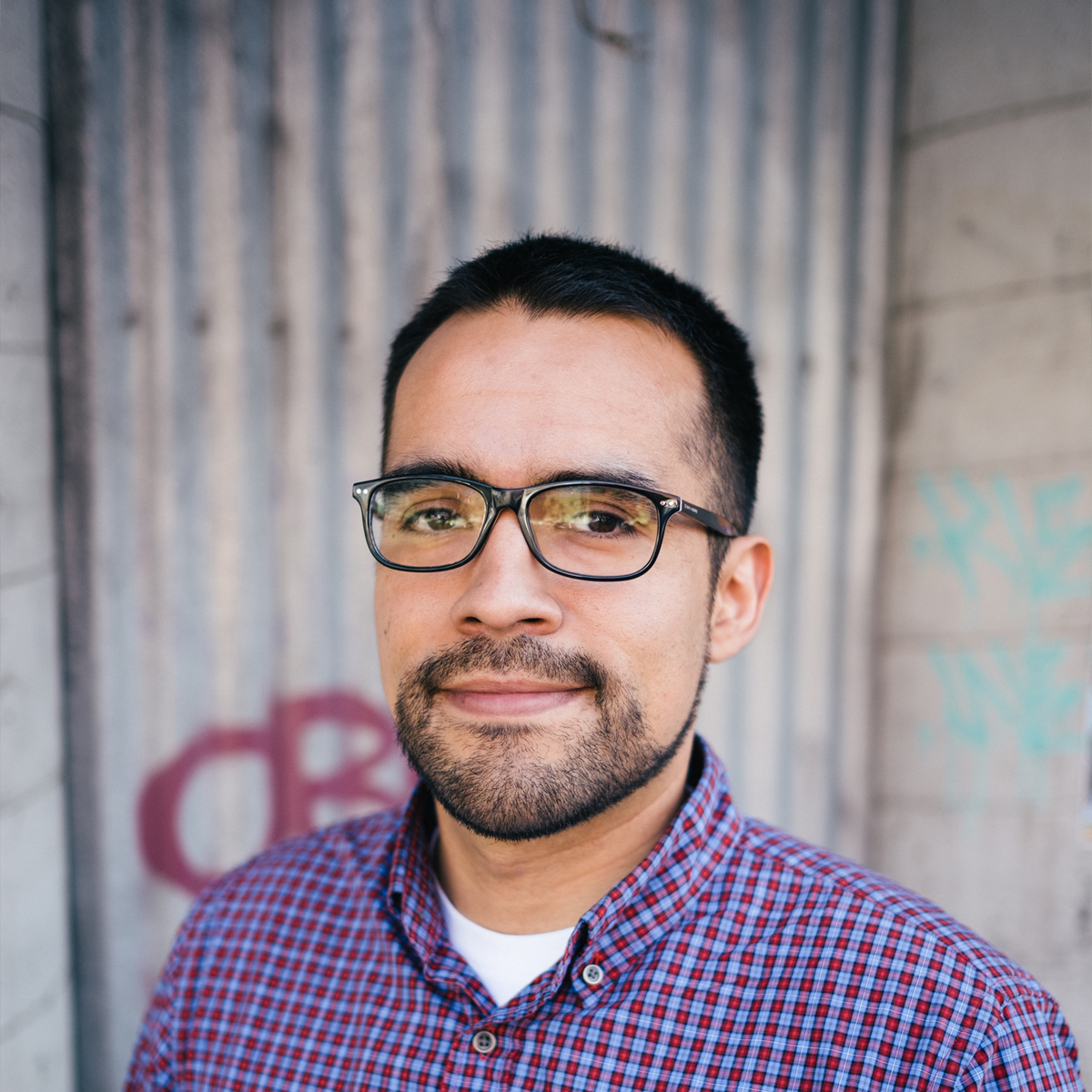
Earlier this fall, Investing in Place hosted a conversation with USC researcher Laura Messier to explore how 30 major U.S. cities manage their sidewalks.
The discussion revealed something important: Los Angeles is not alone.
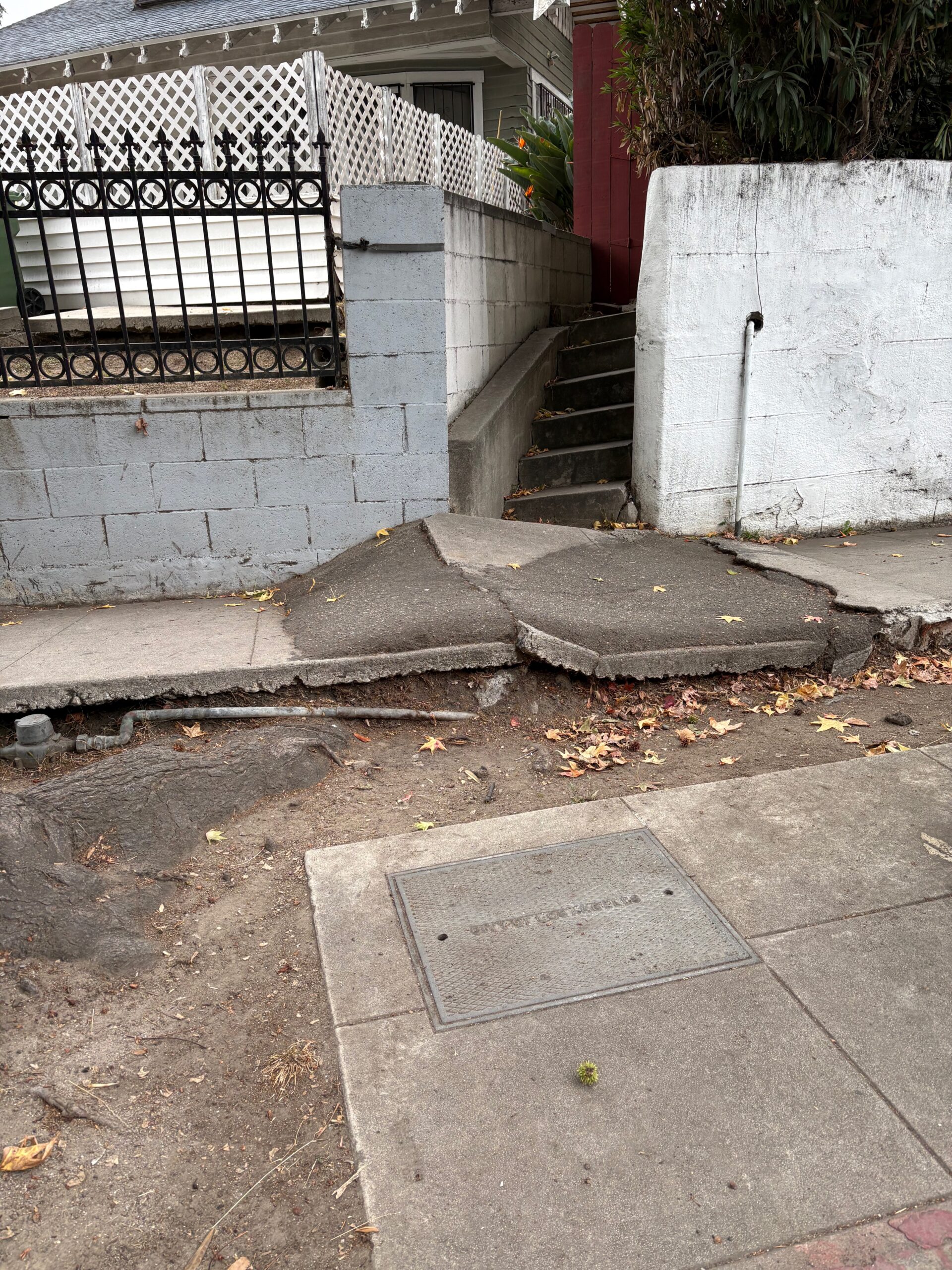
Across the country, cities struggle with aging sidewalks, deferred maintenance, accessibility challenges, and unclear responsibility for repairs. Most cities still place maintenance responsibility on adjacent property owners, while only a handful proactively inspect sidewalk conditions or maintain comprehensive plans for long-term investment.
Laura’s research found that many communities face the same fundamental challenge: sidewalks are essential public infrastructure, but the systems used to maintain them are often fragmented, reactive, and underfunded.
For Los Angeles, the findings reinforce the need for a more coordinated approach.
With more than 50,000 unresolved repair requests and long waits for accessibility improvements, the city’s sidewalk challenges are not simply a maintenance issue. They are a governance challenge.
The workshop also highlighted examples from cities such as Denver, Seattle, and Dallas that are experimenting with more proactive approaches, including city-led maintenance programs, regular condition assessments, and equity-based prioritization frameworks.
The conversation reinforced a growing consensus: if cities want safe, accessible, and equitable sidewalk networks, they need systems that match the scale of the responsibility.
As Los Angeles considers a Capital Infrastructure Program and broader infrastructure reforms, these lessons from other cities offer valuable insight into what works, what doesn’t, and what it takes to maintain the public spaces people rely on every day.