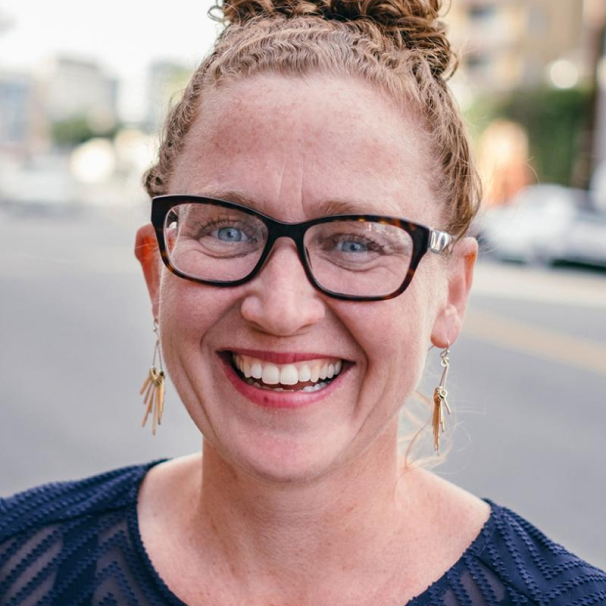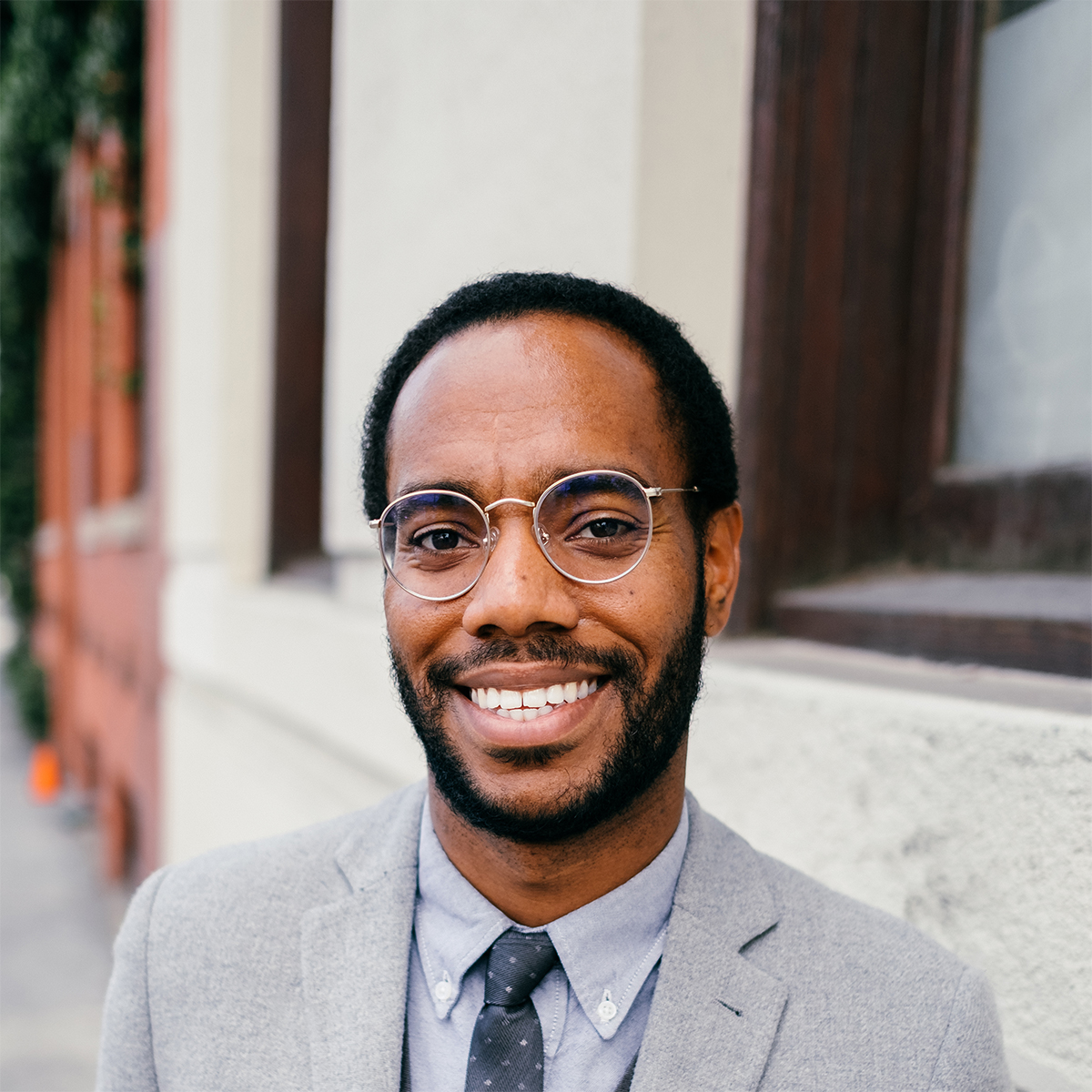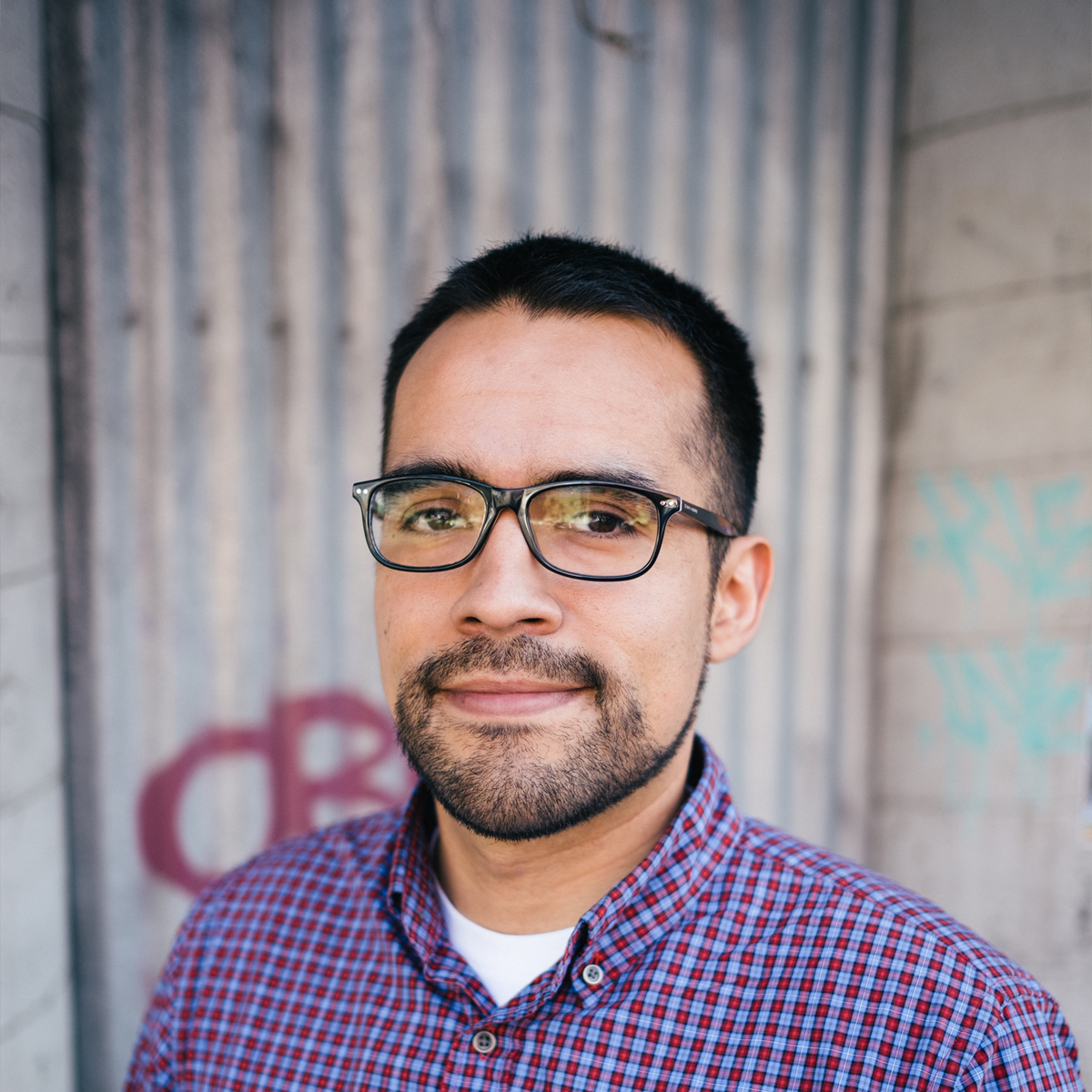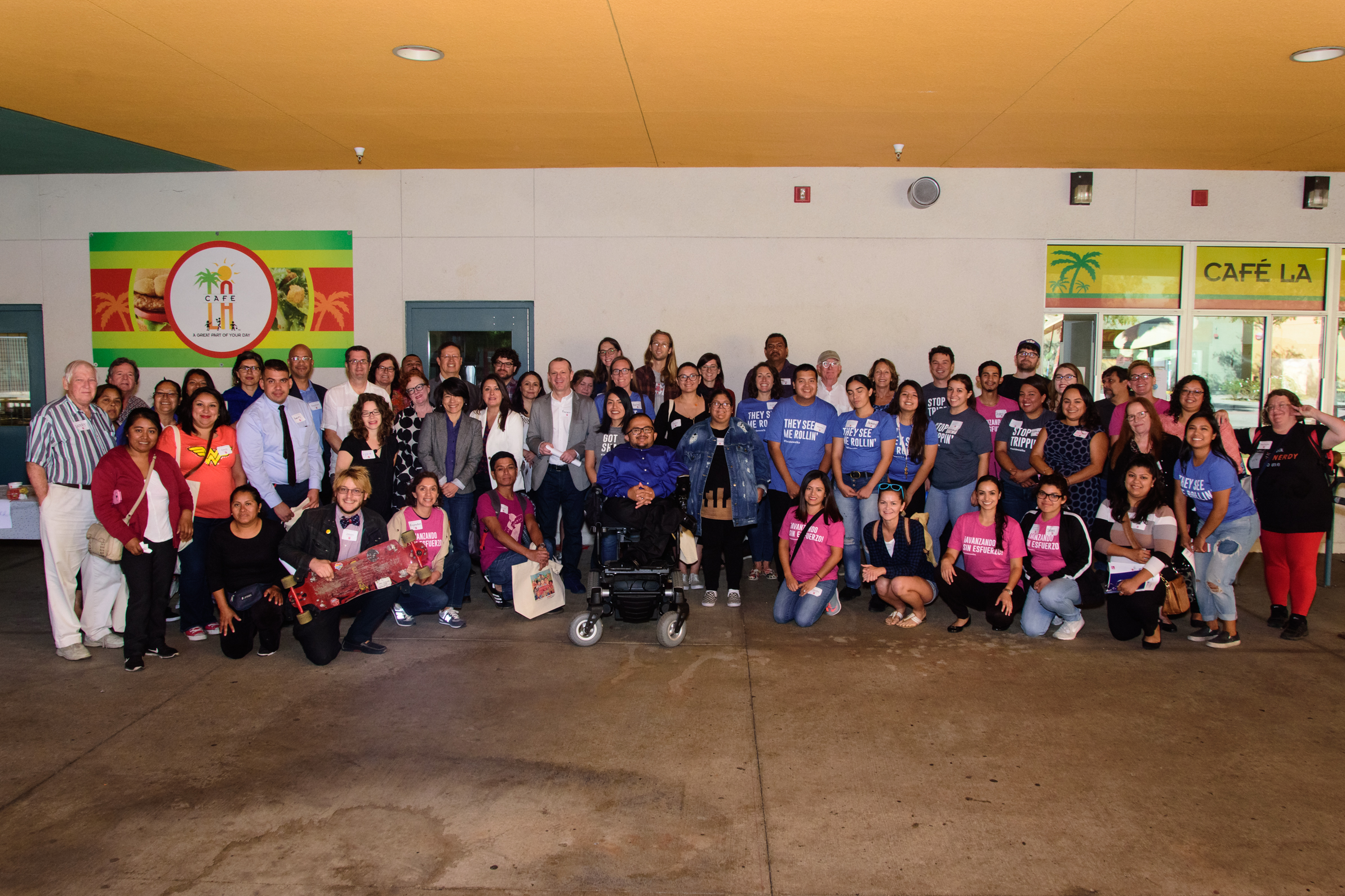
On October 21, 2017, more than 60 community members gathered at Panorama High School for the second Tripping Point, a community event focused on sidewalk accessibility, safety, advocacy, and public health.
Hosted with neighborhood councils, community organizations, disability advocates, and public agencies, the event brought together residents from across the San Fernando Valley to learn how to navigate City processes, advocate for improvements, and better understand the challenges facing Los Angeles’ sidewalks.
From childcare and interpretation services to hands-on advocacy workshops, the Tripping Point was designed to meet people where they are and make civic participation more accessible.
The Valley is home to the Orange Line, one of the country’s most successful bus rapid transit corridors. It is also home to some of the most dangerous intersections in California and many neighborhoods that continue to struggle with inadequate sidewalk infrastructure, limited shade, and barriers to accessibility.
Throughout the day, speakers and participants highlighted the importance of sidewalks as essential public infrastructure that connects people to schools, jobs, transit, parks, healthcare, and community life.
Los Angeles County Disability Commissioner Hector Ochoa shared his personal experiences navigating inaccessible infrastructure and the challenges residents face when seeking sidewalk repairs and accessibility improvements.
Public Works Commissioner Luz Rivas spoke about the City’s commitment to addressing long-standing infrastructure needs, while Mayor Garcetti’s Director of Infrastructure, Ted Bardacke, emphasized the role sidewalks play in connecting communities and improving quality of life.
A recurring theme throughout the day was that sidewalks should not be treated as separate from transportation planning. Safe and comfortable sidewalks, accessible transit stops, shade, street trees, and public spaces all work together as part of a connected transportation network.
Participants also discussed transportation safety, urban heat, disability access, and strategies for engaging decision-makers and advocating for neighborhood improvements.
The Tripping Point was created to give residents practical tools and information while building a stronger community voice around the future of Los Angeles’ sidewalks and public spaces.