As Los Angeles County considers a fourth transportation sales tax measure that could generate tens of billions of dollars for transportation investments, it is important to look at examples of how funding can be prioritized based on data, need, and desired outcomes.
One such example is the City of Los Angeles Safe Routes to School Strategic Plan.
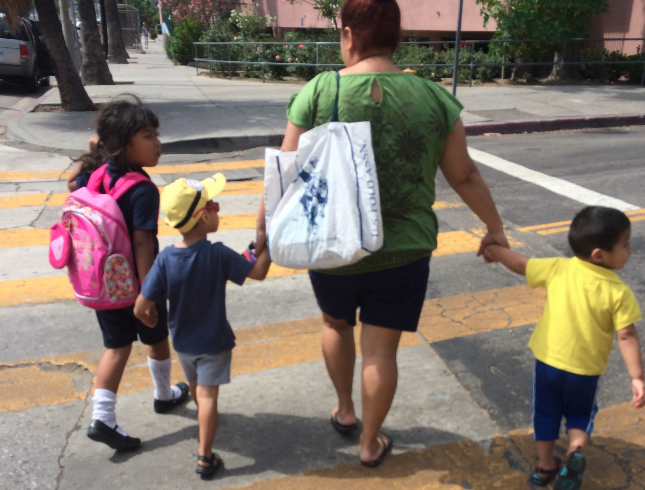
Launched by the Los Angeles Department of Transportation (LADOT) in 2012, the plan was designed to improve safety and mobility for students and families while making the most effective use of limited public resources. Rather than distributing funds based on political boundaries, the plan established a citywide prioritization process to identify schools with the greatest need.
The City evaluated more than 500 public schools using criteria that included:
- Collision rates near schools
- The number of students living within walking and bicycling distance
- The percentage of students eligible for free and reduced-price meals
- Whether the school had previously received Safe Routes to School funding
A critical component of this effort was the City’s partnership with the Los Angeles Unified School District, which provided data that allowed planners to better understand student travel patterns and needs.
The results demonstrate the value of a data-driven approach. In 2014, LADOT successfully secured more than $20 million through California’s Active Transportation Program to fund safety improvements around nine of the highest-need schools, support education and encouragement programs, and develop school travel plans for the remaining priority schools.
The Safe Routes to School Strategic Plan has also become an important building block for the City’s Vision Zero efforts, providing a framework for using data, safety outcomes, and equity considerations to guide transportation investments.
As Los Angeles County considers future transportation investments, this example offers an important lesson: public funds can be prioritized based on measurable need, clear outcomes, and a shared vision for improving safety, mobility, and public health.
When transportation investments are guided by data and focused on communities with the greatest needs, limited resources can have a greater impact for residents across the region.