Who is responsible for public infrastructure in Los Angeles?
As the City prepares to host the 2028 Olympic and Paralympic Games while facing significant fiscal challenges, that question has never been more important. Our sidewalks, streets, parks, urban forest, and public facilities are managed through a fragmented system spread across departments, funding streams, and decision-making bodies. Yet no single person is clearly accountable for how that system performs as a whole.
The Los Angeles Charter Reform Commission will hold public meetings on planning and infrastructure on October 18 in Pacoima and October 22 at City Hall. These conversations present an important opportunity to focus not only on what we build, but how we manage it and who is responsible for delivering results.
Los Angeles does not simply need more funding. It needs a better system for planning, prioritizing, and managing public infrastructure over time.
That starts with a Capital Infrastructure Program.
A Capital Infrastructure Program, or CIP, is a multi-year plan that identifies infrastructure needs, establishes priorities, aligns funding, and creates transparency around implementation. It helps cities move beyond annual budget cycles and reactive decision-making toward a more coordinated and strategic approach.
But a Capital Infrastructure Program raises an equally important question: who will be responsible for implementing it?
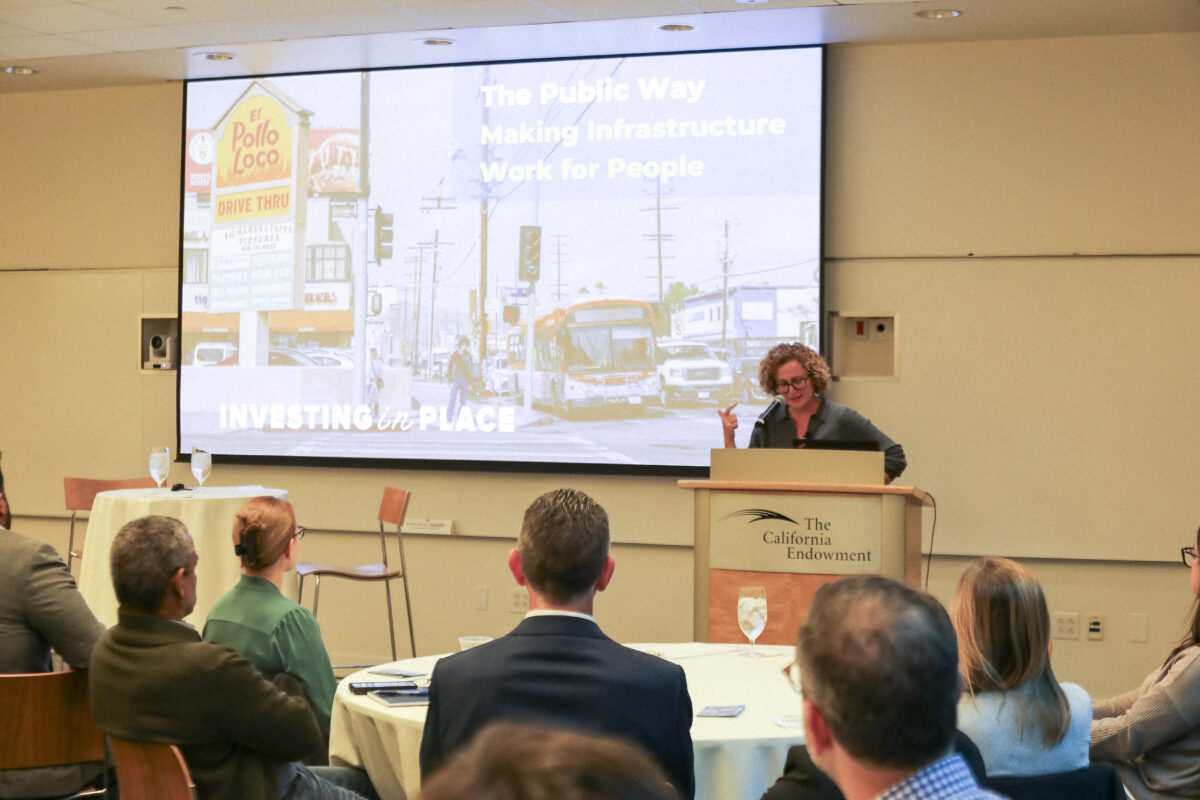
Earlier this year, Investing in Place recommended creating a Director of Public Works to coordinate infrastructure planning and delivery across departments and oversee implementation of a five-year Capital Infrastructure Program. Whatever title is ultimately chosen, Los Angeles needs a single executive accountable for coordinating infrastructure priorities, reporting on progress, and ensuring that departments are working toward shared goals.
This conversation is not simply about organizational charts or departmental restructuring. It is about creating the conditions for better outcomes.
Today, the City’s annual budget process leaves little room for long-term infrastructure planning. Departments are expected to coordinate across multiple funding sources, priorities, and responsibilities, often without a shared framework or citywide set of goals. The result is a system that frequently prioritizes immediate needs over long-term planning, maintenance, and delivery.
A well-designed Capital Infrastructure Program would help change that.
A CIP does not require consolidating every infrastructure function into a single department. What it does require is a shared, citywide framework that establishes priorities, coordinates investments, and creates accountability over multiple years. It gives departments a transparent work plan tied to budgets, schedules, and measurable outcomes.
Most importantly, it helps move the city from reacting to problems toward managing infrastructure as a system.
This is why governance matters.
A Capital Infrastructure Program cannot depend solely on administrative practice or the priorities of a particular Mayor, Council, or department. If Los Angeles is serious about long-term infrastructure planning, the City Charter should establish a clear framework for how a Capital Infrastructure Program is developed, updated, and reported to the public.
The Charter should define the requirement for a multi-year Capital Infrastructure Program and establish clear expectations around transparency, coordination, public reporting, and accountability.
Just as importantly, it should clarify who is responsible for delivering the plan.
Los Angeles has spent decades attempting to improve infrastructure outcomes through individual programs, motions, and departmental initiatives. While many of those efforts have produced important progress, they have not fundamentally addressed the governance challenges that make coordination difficult and accountability unclear.
The opportunity before the Charter Reform Commission is to address those structural issues directly.
This is not about concentrating power. It is about creating responsibility.
The City needs someone who can coordinate across departments, align budgets and priorities, communicate progress to the public, and be held accountable for results.
As the Charter Commission develops its recommendations, the public deserves a clear discussion of the available governance options. Should responsibility rest primarily with the Mayor? The City Council? The Board of Public Works? A Director of Public Works? What structure is most likely to produce long-term accountability and better outcomes?
These are foundational questions, and they deserve thoughtful public discussion.
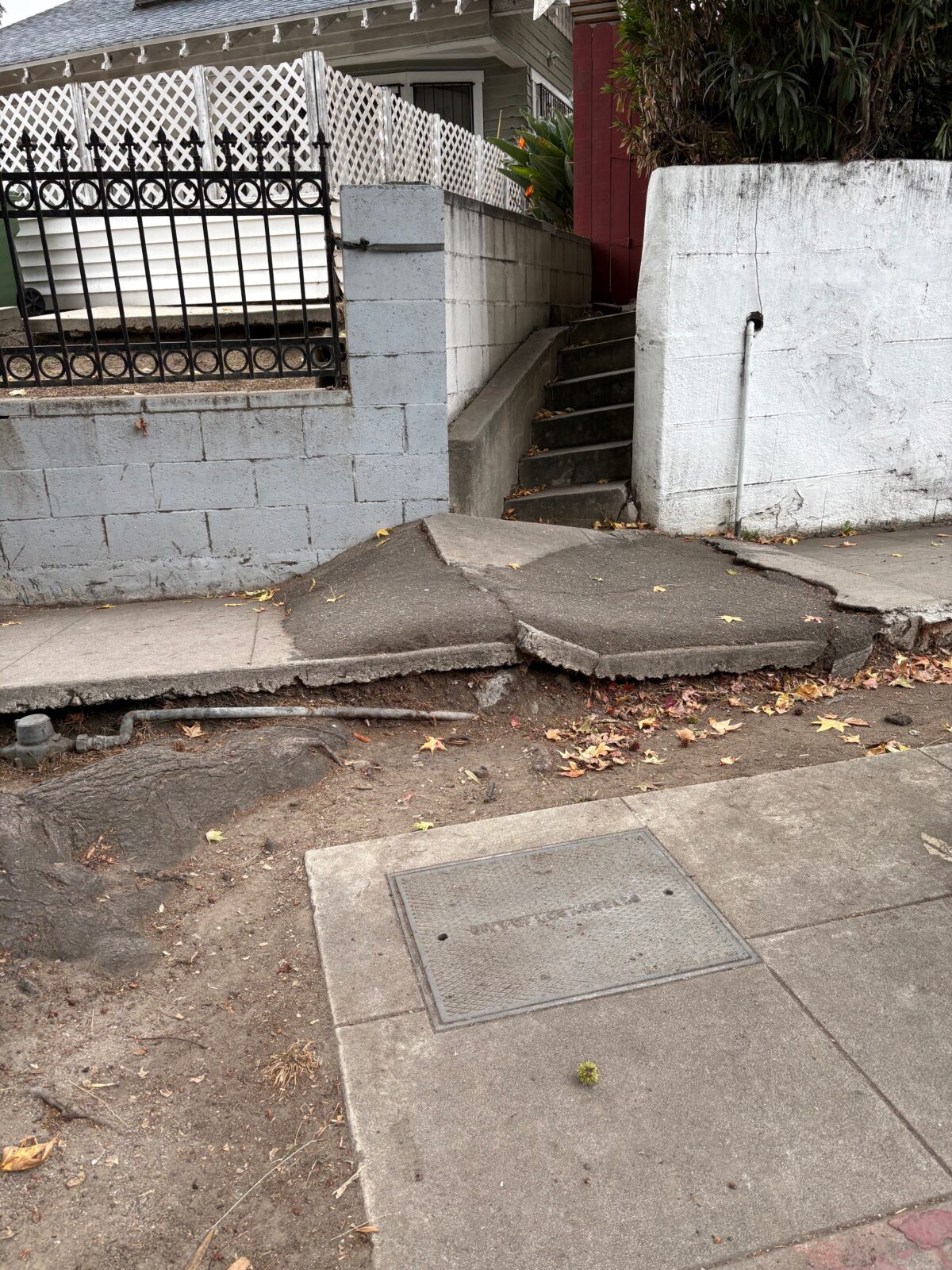
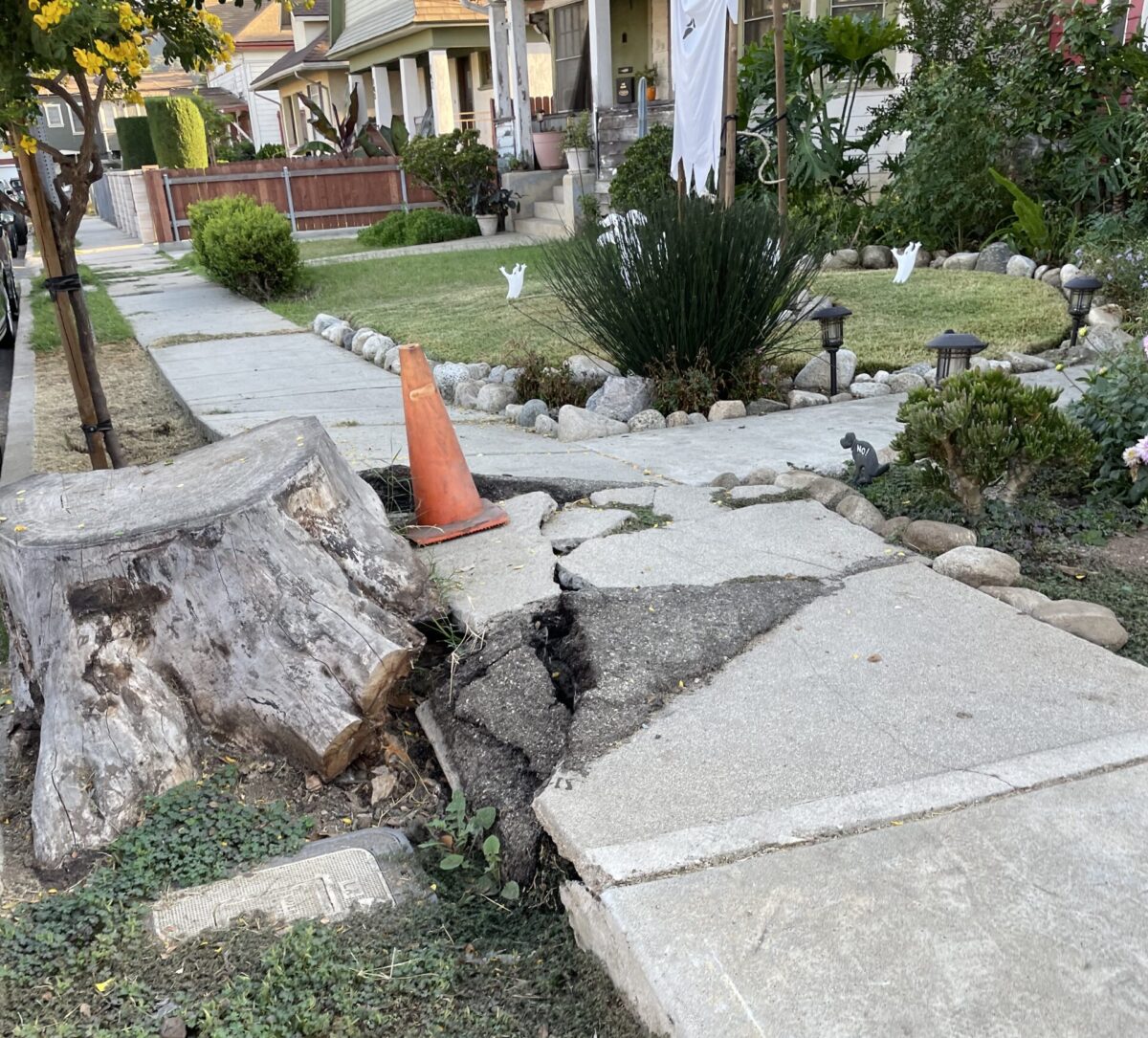
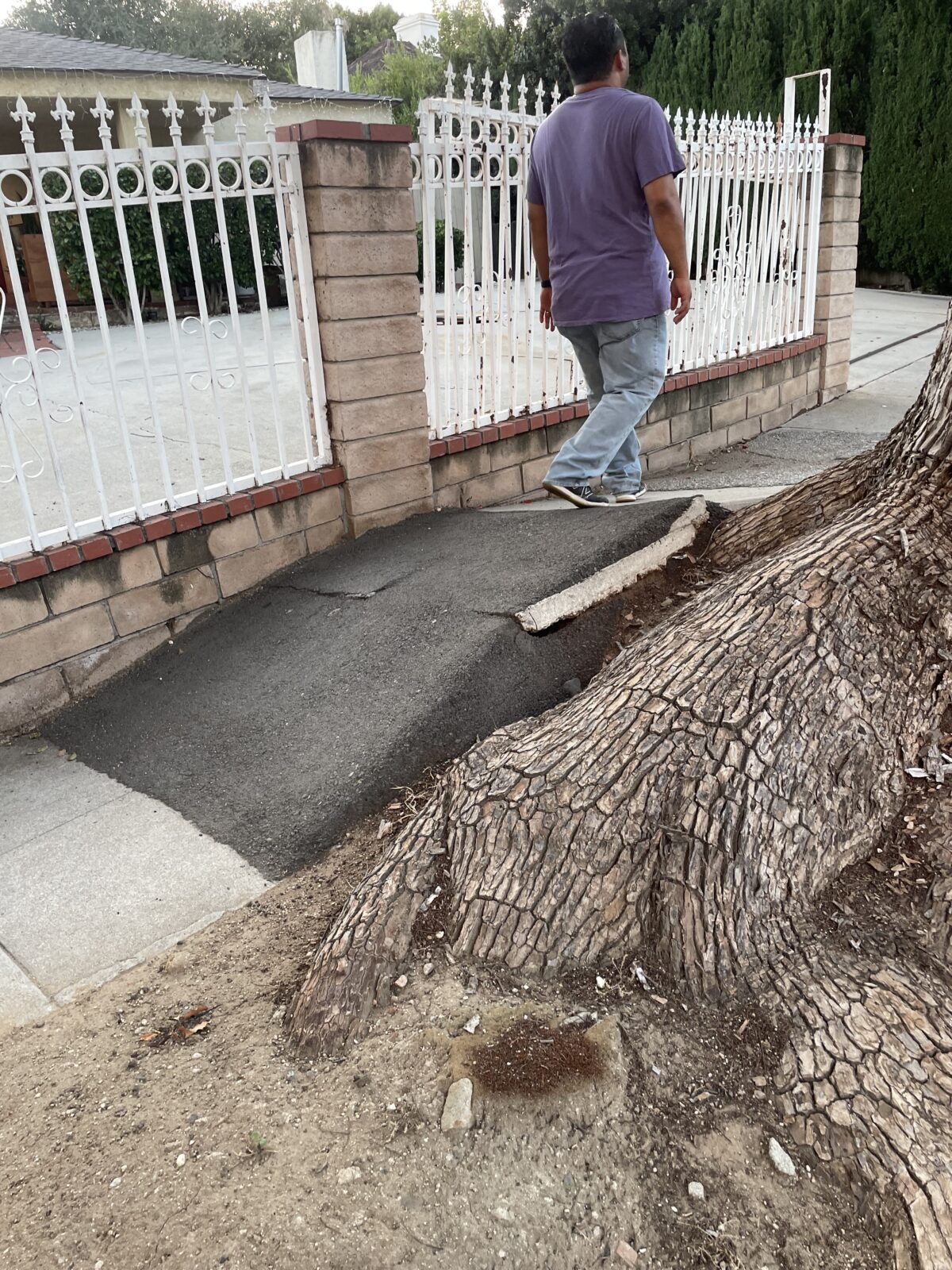
Public infrastructure shapes mobility, accessibility, climate resilience, economic opportunity, public health, and quality of life. When infrastructure systems work well, they are often invisible. When they fail, the consequences are felt every day.
The Charter Reform process presents a rare opportunity to build a stronger foundation for how Los Angeles plans, funds, and delivers infrastructure.
A Capital Infrastructure Program is an essential part of that foundation.
Clear accountability is the other.
As Los Angeles considers its future, one question should remain at the center of the conversation:
Who is responsible for delivering the public infrastructure that Angelenos rely on every day?



























You must be logged in to post a comment.